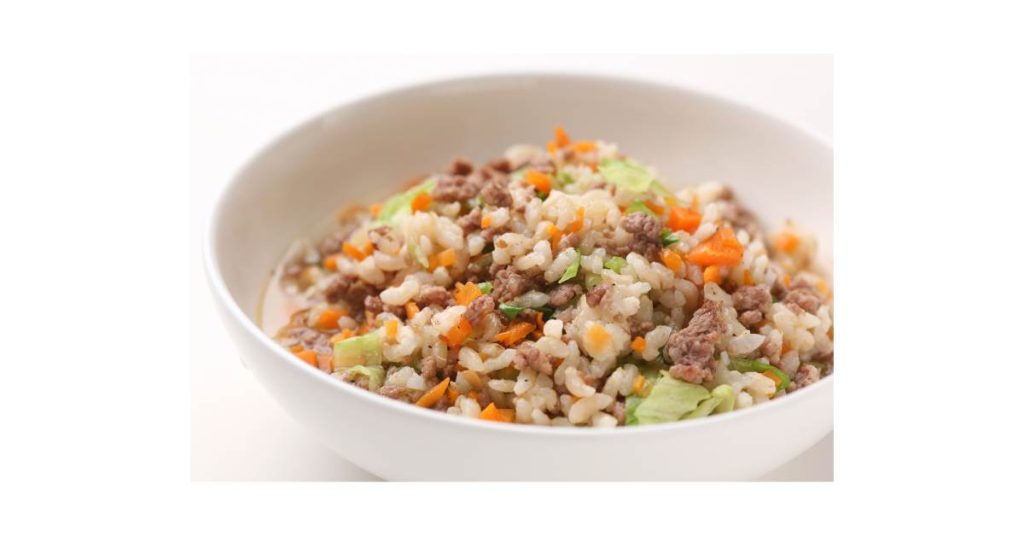
Best Dog Food for Senior Dogs to Gain Weight Safely and Naturally
As dogs age, maintaining a healthy body weight becomes more challenging, even when appetite appears normal. Muscle loss, slower metabolism, dental problems, and reduced nutrient absorption often cause senior dogs to lose weight unintentionally. Selecting the Best Dog Food for senior dogs that need to gain weight is not about feeding more food, but about feeding smarter. Nutrient density, digestibility, and calorie quality all matter far more than portion size alone.
Unplanned weight loss in older dogs can weaken immunity, reduce mobility, and accelerate age-related conditions. A well-formulated diet designed to support weight gain while protecting joints, digestion, and organ function can dramatically improve quality of life. Understanding how senior nutrition differs from adult dog food helps pet owners make confident, long-term feeding decisions that support strength, vitality, and comfort.
Why Senior Dogs Struggle to Maintain Weight
Aging brings physiological changes that directly affect how dogs process food. Reduced digestive enzyme production limits nutrient absorption, while chronic conditions such as arthritis, dental disease, or organ decline may suppress appetite. Senior dogs also experience muscle wasting, known as sarcopenia, which causes weight loss even when calorie intake appears adequate.
Another factor is taste and smell sensitivity. Older dogs may lose interest in food they once enjoyed, leading to inconsistent eating habits. Stress, medication side effects, and decreased activity further complicate weight management. Feeding the Best Dog Food formulated for senior weight gain addresses these challenges by delivering more usable calories and essential nutrients in each bite.
When Weight Loss Becomes a Health Risk
Mild weight fluctuation can be normal, but persistent weight loss is a red flag. Underweight senior dogs are more vulnerable to infections, slower wound healing, and fatigue. Muscle loss also increases the risk of falls and joint strain. Identifying weight decline early allows dietary intervention before more serious complications arise.
Veterinary evaluation should always precede major diet changes to rule out underlying illness. Once medical causes are addressed, nutrition becomes the most effective tool for restoring and maintaining healthy weight.
Nutritional Requirements for Weight Gain in Senior Dogs
Senior dogs need a careful balance of calories and nutrients. Simply increasing fat or protein without considering digestibility can lead to digestive upset rather than healthy weight gain. High-quality animal protein supports muscle maintenance, while moderate fat increases calorie density without excessive volume.
Digestible carbohydrates provide accessible energy, helping spare protein for muscle repair. Omega-3 fatty acids reduce inflammation and support joint and cognitive health, which encourages mobility and appetite. Added vitamins and minerals, particularly B vitamins and zinc, support metabolism and immune function.
Calorie density is critical. Foods designed for weight gain pack more energy into smaller portions, making them ideal for seniors with reduced appetite. Moisture content also plays a role, as hydration supports digestion and nutrient transport.
Protein Quality Over Quantity
Senior dogs still require sufficient protein, but the source matters more than the percentage. Highly bioavailable proteins from chicken, turkey, eggs, or fish are easier to digest and utilize. Poor-quality proteins increase waste and may burden aging organs.
The Best Dog Food for senior weight gain balances protein to support lean mass without overwhelming digestion, ensuring calories contribute to strength rather than metabolic stress.
Importance of Digestibility and Gut Health
Digestive efficiency declines with age, making gut health a priority. Foods with prebiotics and probiotics support beneficial gut bacteria, improving nutrient absorption and stool quality. Fiber should be present but not excessive, as too much fiber reduces calorie availability.
Easily digestible ingredients reduce the energy cost of digestion, allowing more nutrients to be absorbed for weight gain. Avoid foods heavy in fillers or artificial additives, which can irritate the digestive tract and reduce appetite.
Senior dogs often benefit from softer textures or wet foods, which are easier to chew and digest. Enhanced palatability encourages consistent eating, a key factor in gradual weight restoration.
Hydration and Nutrient Absorption
Adequate hydration supports digestive enzyme function and nutrient transport. Wet or fresh foods naturally increase water intake, which is especially beneficial for seniors prone to dehydration. Improved hydration often leads to better appetite and overall energy levels.
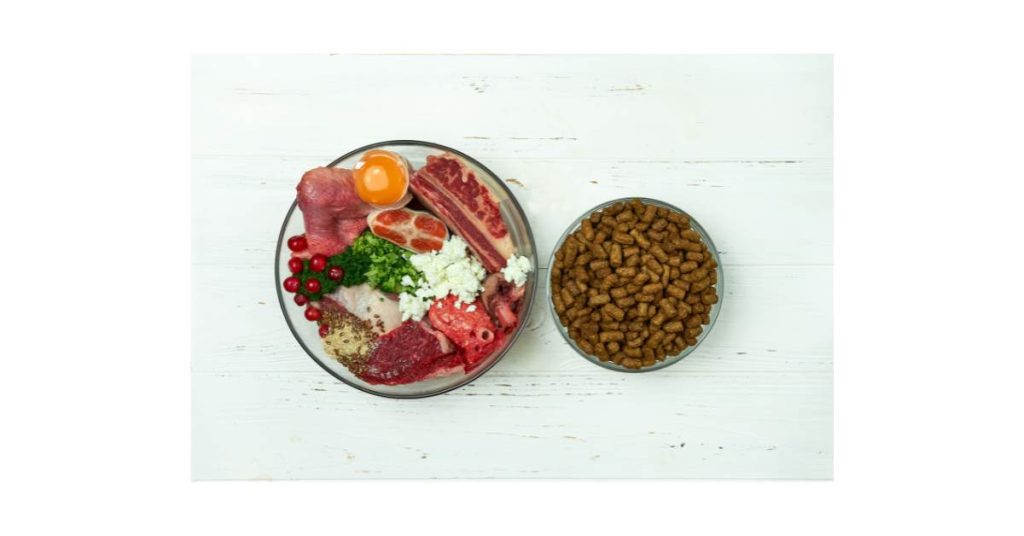
When dry food is used, adding warm water or nutrient-rich toppers can enhance both moisture and taste, supporting sustained calorie intake.
Evaluating Commercial Dog Foods for Senior Weight Gain
Not all senior-labeled dog foods are designed for weight gain. Many focus on calorie reduction to prevent obesity, which is counterproductive for underweight dogs. Reading labels carefully is essential to identify formulas with higher calorie density and targeted nutrient profiles.
Look for foods that list high-quality animal protein as the first ingredient, followed by healthy fats and digestible carbohydrates. Avoid vague terms like “animal by-products” or excessive plant proteins. Guaranteed analysis should show moderate protein, elevated fat, and controlled fiber.
Independent reviews and comparative guides can help identify products formulated specifically for senior dogs that need to gain weight. Resources highlighting the Best Dog Food for this purpose often analyze ingredient quality, calorie content, and real-world results.
Wet Food vs Dry Food for Weight Gain
Wet food generally contains fewer calories per gram but is more palatable and easier to eat. Dry food offers higher calorie density but may be harder for seniors with dental issues. A mixed feeding approach combines the benefits of both, improving intake and nutritional balance.
Some senior dogs respond best to fresh or gently cooked foods that retain natural flavors and nutrients. The ideal choice depends on individual preferences and health considerations.
Homemade Diets and Supplemental Feeding
Homemade diets allow customization, which can be helpful for picky eaters or dogs with allergies. However, they must be carefully balanced to avoid deficiencies. Working with a veterinary nutritionist ensures appropriate calorie density and nutrient ratios.
Supplemental feeding can also support weight gain. Adding small amounts of calorie-dense, senior-safe foods such as eggs, cottage cheese, or approved oils can boost intake without large volume increases. Supplements should complement, not replace, a balanced base diet.
Consistency is key. Irregular feeding or frequent diet changes can disrupt digestion and slow progress. Gradual adjustments yield more stable results.
Feeding Schedule and Portion Management
Senior dogs benefit from smaller, more frequent meals. This approach improves digestion and reduces nausea, especially in dogs with sensitive stomachs. Feeding two to four meals per day helps maintain steady energy levels and encourages consistent intake.
Monitoring weight weekly provides valuable feedback. Adjust portions gradually based on progress, avoiding rapid weight gain that could strain joints or organs.
Common Mistakes When Trying to Help Seniors Gain Weight
One common mistake is overfeeding low-quality food, which leads to digestive upset rather than healthy weight gain. Another is relying too heavily on treats, which may be calorie-dense but nutritionally unbalanced. Ignoring dental health is also problematic, as mouth pain reduces appetite regardless of food quality.
Some owners switch foods too frequently when results are slow. Weight gain in senior dogs takes time, and consistency is essential. Trusting a well-formulated plan yields better outcomes than constant experimentation.
Long-Term Benefits of Proper Weight Management
Helping a senior dog reach and maintain a healthy weight improves mobility, stamina, and immune resilience. Adequate nutrition supports joint health, cognitive function, and coat condition, contributing to overall wellbeing.
Selecting the Best Dog Food for senior dogs that need to gain weight is an investment in comfort and longevity. Informed choices reduce veterinary complications and enhance daily quality of life.
Many owners rely on expert-curated resources reviewing the Best Dog Food options available today, as these guides simplify complex nutritional decisions into actionable recommendations.
With patience, observation, and the right dietary strategy, senior dogs can regain strength and enjoy their later years with vitality, comfort, and confidence.