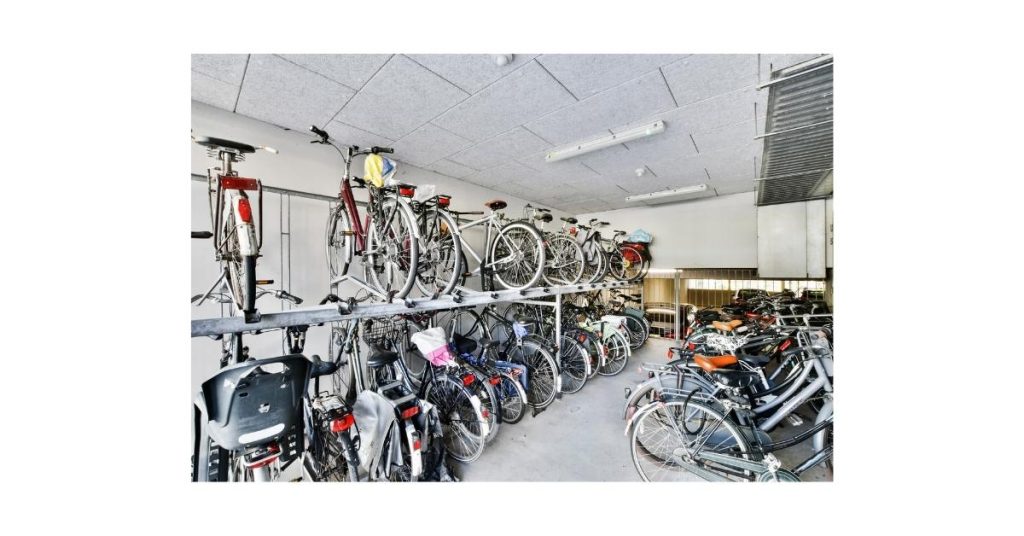
All Types of Racks for Practical Storage and Transport Solutions
Understanding all types of racks is essential for anyone looking to improve storage efficiency or transport capacity. Racks are no longer single-purpose tools; they have evolved into specialized systems designed for vehicles, homes, warehouses, and commercial operations. From carrying equipment to organizing space, rack systems solve real-world problems when chosen correctly. This guide explores how different rack categories function, what makes them unique, and how users can select the right option based on performance, safety, and long-term usability rather than assumptions or price alone.
Why Knowing Rack Categories Matters
Many buyers make poor decisions simply because they do not understand how rack categories differ. Each rack type is engineered with specific load requirements, mounting methods, and usage conditions in mind. Using the wrong rack can lead to inefficiency, damage, or safety risks. By learning how rack systems are classified and what problems they solve, users gain clarity and confidence. This knowledge is especially important as rack designs become more advanced and tailored to specific environments and tasks.
Vehicle-Mounted Rack Systems and Their Uses
Vehicle-mounted racks are among the most commonly used rack systems today. They are designed to extend carrying capacity without sacrificing interior space. These racks must handle dynamic loads, wind resistance, and varying road conditions. Proper design ensures stability during acceleration, braking, and cornering. Understanding how vehicle racks differ based on mounting points, materials, and intended cargo helps users avoid compatibility issues and ensures safe transport under real driving conditions.
Stationary Racks for Home and Commercial Storage
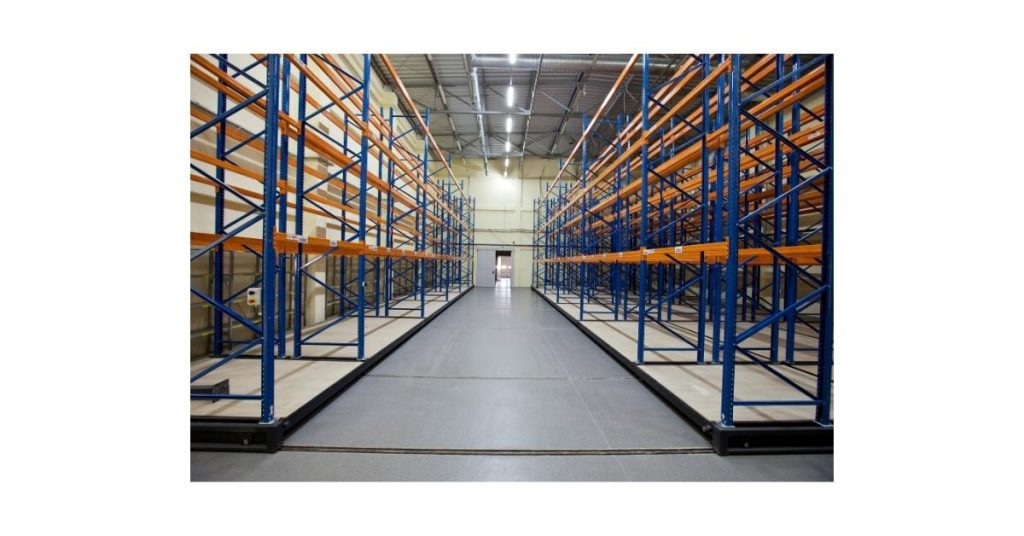
Stationary rack systems focus on organization and load stability rather than mobility. These racks are commonly used in garages, warehouses, retail environments, and industrial facilities. Their primary purpose is to maximize vertical and horizontal space while maintaining easy access to stored items. Factors such as shelf spacing, weight rating, and anchoring methods define their effectiveness. Choosing the correct stationary rack improves workflow efficiency and reduces clutter-related risks.
Load Ratings and Structural Design Differences
One of the key distinctions between rack types lies in their load ratings. Some racks are designed for lightweight items, while others support heavy-duty industrial equipment. Structural design elements such as crossbars, support beams, and mounting hardware determine how weight is distributed. Understanding static versus dynamic load ratings is crucial, particularly for racks exposed to movement or vibration. Overloading a rack compromises both safety and longevity.
Materials Used Across Different Rack Types
Rack performance is heavily influenced by material selection. Steel racks provide exceptional strength and are often used in industrial or heavy-load environments. Aluminum racks offer corrosion resistance and reduced weight, making them ideal for vehicle applications. Composite and hybrid materials are increasingly common, offering balanced performance with improved durability. Buyers should also consider surface treatments, as coatings play a significant role in weather resistance and wear prevention.
Modular and Adjustable Rack Systems
Modularity has become a defining feature in modern rack design. Adjustable racks allow users to modify configurations as needs change, extending the system’s usefulness. Modular components enable expansion without replacing the entire structure. This flexibility is especially valuable in environments where storage demands fluctuate. Understanding which rack types support modular upgrades helps buyers invest in systems that grow with their requirements.
Safety Standards and Testing Across Rack Types
Different rack categories are subject to varying safety standards depending on their use. Vehicle-mounted racks often undergo dynamic testing to simulate real driving conditions. Stationary racks may be tested for static load limits and structural stability. Compliance with recognized standards ensures consistent performance and reduces liability risks. Buyers should prioritize racks with documented testing rather than relying solely on manufacturer claims.
Environmental Exposure and Durability Considerations
Environmental factors significantly affect rack longevity. Outdoor racks must withstand moisture, UV exposure, temperature fluctuations, and corrosion. Indoor racks face different challenges such as humidity, dust, or chemical exposure. Selecting rack types designed for specific environments prevents premature wear and structural degradation. Durability is not only about material strength but also about how well a rack resists long-term environmental stress.
Installation Requirements and Skill Levels
Installation complexity varies widely among rack types. Some racks are designed for quick, tool-free assembly, while others require professional installation. Vehicle racks must align precisely with mounting points to ensure safety. Stationary racks may need anchoring to walls or floors. Understanding installation requirements helps users plan properly and avoid mistakes that compromise stability or performance.
Maintenance Needs Across Rack Categories
All rack systems require maintenance, but the level varies depending on usage and environment. Vehicle racks may need regular inspection for loose fasteners or worn components. Stationary racks benefit from periodic load checks and surface cleaning. Proper maintenance extends lifespan and ensures continued safety. Knowing what maintenance each rack type requires allows users to factor long-term effort into their purchasing decision.
How Comprehensive Resources Simplify Rack Selection
Navigating the wide range of rack options can be overwhelming without structured guidance. Resources that categorize and explain All Types of Racks help users compare features, applications, and limitations in a clear manner. Instead of guessing, buyers gain access to organized insights that highlight practical differences between rack systems. This approach reduces confusion and supports smarter, need-based decisions.
Cost Versus Value Across Rack Types
Price differences between rack systems often reflect variations in materials, engineering, and safety compliance. Budget racks may suit light, occasional use but lack durability under demanding conditions. Premium racks justify higher costs through enhanced strength, refined design, and long-term reliability. Evaluating value rather than price alone helps users select rack types that deliver consistent performance over time without unnecessary replacements.
Specialized Racks for Niche Applications
Some rack systems are designed for highly specific purposes, such as professional transport, commercial storage, or specialized equipment handling. These racks often feature reinforced structures, advanced locking mechanisms, or custom mounting solutions. While they may not suit general use, they excel within their intended application. Understanding when specialized racks are necessary prevents misuse of general-purpose systems.
Common Buyer Errors When Choosing Rack Types
A frequent mistake is assuming that all racks function similarly. Buyers may overlook load ratings, compatibility, or environmental suitability. Another common error is underestimating future needs, leading to systems that cannot adapt over time. Learning from these mistakes helps users approach rack selection with a long-term perspective, reducing frustration and added costs.
Future Trends in Rack Design and Functionality
Rack systems continue to evolve with advancements in materials, aerodynamics, and modular design. Lightweight composites, smart locking systems, and improved load distribution are shaping the future of racks. Sustainability is also influencing manufacturing processes and material choices. Staying informed about these trends helps users select rack types that remain relevant and effective as needs change.
Making Confident Decisions with the Right Information
Choosing among All Types of Racks becomes significantly easier when decisions are guided by structured knowledge rather than assumptions. By understanding applications, materials, safety standards, and long-term performance factors, users can invest in rack systems that meet real-world demands. Informed choices lead to safer use, better efficiency, and greater overall value across a wide range of storage and transport needs.